
The Moment Before Purchase: Why AI Commerce Will Be Won Upstream
John Ahn
Aeris Editorial
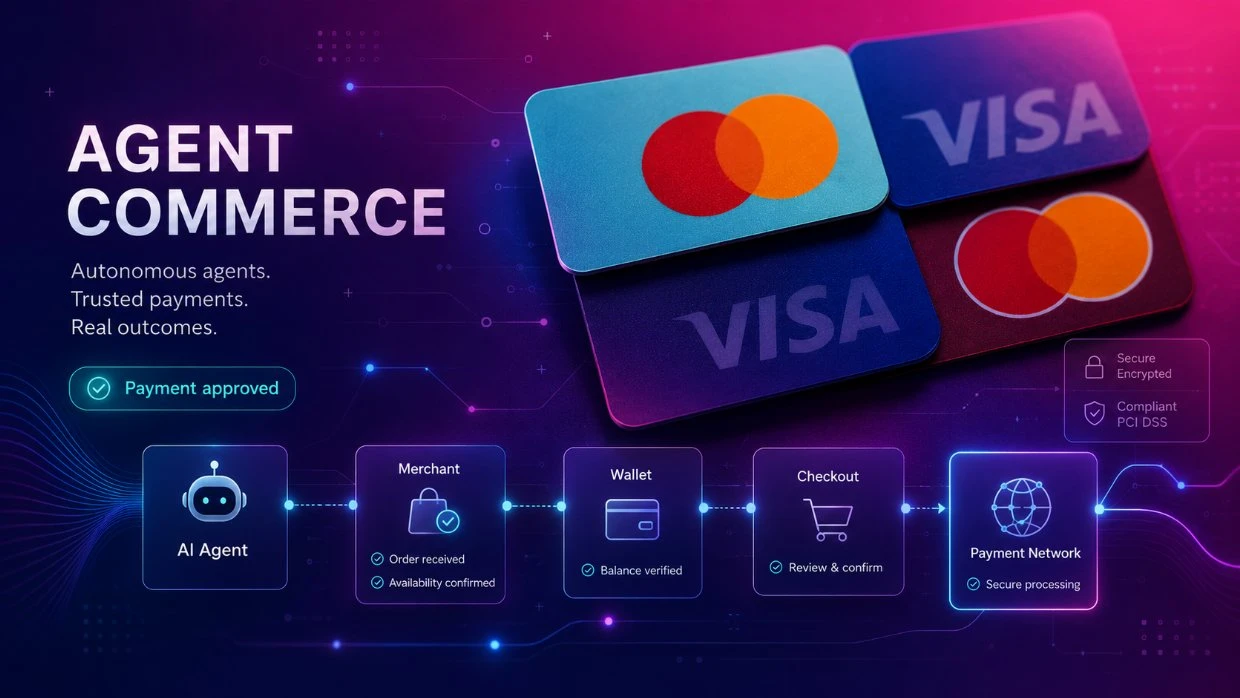
TL;DR — In AI commerce, the most valuable moment is not after a shopper buys — it is the moment before purchase, when intent is active and the decision can still be influenced.
The Most Important Moment in Commerce Happens Before Checkout
Most commerce systems are built around what happens after a shopper takes action.
A customer clicks. A customer adds to cart. A customer buys. A customer returns later. Brands then analyze the data and try to understand what worked.
That data matters, but it is backward-looking. It tells you what already happened, not what could happen next.
The more valuable opportunity is upstream.
Before checkout, a shopper is still comparing options, asking questions, discovering alternatives, and deciding which brand deserves attention. That is the moment where real influence lives.
For commerce brands and retailers, this is the next major battleground.
Post-Purchase Data Has a Timing Problem
Traditional commerce data is useful because it gives brands visibility into past behavior.
It can show which products sold, which channels performed, which audiences converted, and which campaigns produced measurable outcomes. But by the time this data appears, the shopper’s decision is already complete.
That creates a timing problem.
If a shopper already bought from another brand, your team is no longer influencing the original decision. You are reacting after the highest-value window has closed.
This is why so many commerce teams feel stuck in the same loop:
- Spend more to acquire traffic
- Retarget shoppers after they leave
- Analyze performance after campaigns run
- Optimize dashboards instead of demand
- Compete harder for the same attention
This system is good at measurement. It is weaker at creating incremental demand.
Brands do not only need to know what happened. They need to act while the shopper is still deciding.
Intent Is More Valuable Before It Becomes a Transaction
A transaction is the end of a decision.
Intent is the beginning of one.
That difference matters because the moment of intent is still open. The shopper has a need, but may not have chosen a brand. They may know the category, but not the product. They may have preferences, but still need guidance.
That is where commerce brands can create value.
| Signal | What It Tells You | When It Appears | Brand Opportunity |
|---|---|---|---|
| Transaction data | What a shopper already bought | After purchase | Measure performance |
| Retargeting data | Who previously showed interest | After visit or action | Recover attention |
| Intent data | What a shopper may buy next | Before purchase | Influence the decision |
The closer a brand gets to the decision moment, the more valuable the signal becomes.
This is why commerce intent matters so much in the AI advertising era. It gives brands a chance to shape what happens next, instead of simply reporting what already happened.
AI Agents Will Move Commerce Upstream
AI is changing how shoppers discover products.
Instead of browsing endless search results, product grids, review pages, and ads, shoppers will increasingly ask AI agents for help. They will expect direct recommendations, comparisons, and personalized guidance.
A shopper might ask:
- “What should I buy for my trip?”
- “Which skincare product fits my routine?”
- “Find me a gift that feels premium but practical.”
- “Compare these two brands.”
- “What should I wear to this event?”
- “Which product is best for my needs?”
These are not just queries.
They are purchase decisions in progress.
When shoppers ask these questions, the transaction has not happened yet. The outcome is still undecided. The brand that appears at this moment has a better chance of influencing the final purchase.
In the old advertising model, brands competed for clicks.
In the AI commerce model, brands will compete for recommendations, relevance, and decision support.
That is a much more valuable position.
The New Commerce Layer Is the Intent Layer
Every major commerce era has created a new control point.
Search controlled discovery. Social controlled attention. Marketplaces controlled comparison and fulfillment. Payment networks controlled transaction infrastructure.
AI commerce is creating a new layer: intent orchestration.
This layer sits between shopper needs and merchant outcomes. It understands what someone is trying to buy, matches that intent with relevant products or brands, and helps move the shopper toward a decision.
That layer is powerful because it does not wait for the transaction.
It acts before the transaction.
For retailers, this changes the role of advertising. Advertising is no longer only about placing messages in front of broad audiences. It becomes about entering the decision flow at the right moment with the right recommendation.
That is where AI-native commerce infrastructure will matter.
Why Retailers Should Care Now
Retailers are already under pressure.
Paid channels are crowded. Customer acquisition is expensive. Search behavior is shifting. Social platforms are fragmented. Marketplaces often reduce brand differentiation.
At the same time, shoppers want faster and more personalized help.
They do not want to manually evaluate every option. They want intelligent guidance that understands their context, preferences, and constraints.
This creates a clear opportunity for brands that move early.
The old playbook looked like this:
- Wait for the shopper to search
- Bid for the click
- Send traffic to a product page
- Retarget if they leave
- Measure the result
The new playbook looks different:
- Understand intent as it forms
- Match the shopper with relevant products
- Influence the decision before checkout
- Drive qualified traffic to merchants
- Create incremental sales
This is not just a channel shift. It is a timing shift.
The brands that win will be the ones that show up before the shopper has already made a decision.
From Attribution to Influence
For years, commerce teams have invested heavily in attribution.
Attribution helps brands understand which touchpoints get credit. That is useful, but it is not the same as creating demand.
Attribution looks backward. Influence acts forward.
The difference is especially important in AI commerce, because shoppers are no longer just clicking through static ads. They are asking for recommendations, comparisons, and guided decisions.
If a brand only measures after the fact, it misses the most valuable part of the journey.
The real opportunity is to participate while the shopper is still open to persuasion.
| Old Commerce Stack | AI Commerce Stack |
|---|---|
| Tracks completed actions | Acts on live intent |
| Optimizes campaigns after the fact | Shapes decisions in real time |
| Focuses on attribution | Focuses on influence |
| Competes for clicks | Competes for recommendations |
| Measures demand | Creates incremental demand |
This does not mean measurement goes away.
It means measurement is no longer enough.
The brands that win in AI commerce will combine performance discipline with upstream influence.
What Aeris Is Building
Aeris is being built for the moment before purchase.
Aeris is an agentic AI platform that helps merchants generate new user traffic and incremental sales by engaging shoppers when they are still deciding what to buy.
We do not sit downstream of the purchase, simply reporting what happened.
We sit upstream of it — at the moment of intent — and help shape what happens next.
That means Aeris is not just another analytics tool.
It is not just another retargeting layer.
It is not just another performance dashboard.
Aeris is designed to become an intent layer for commerce.
The goal is simple: help brands show up earlier, influence better, and convert shoppers who may not have reached them otherwise.
Why This Layer Can Become So Valuable
Commerce value concentrates around the moments that shape decisions.
Payments became valuable because they sat close to the transaction. Search became valuable because it sat close to discovery. Marketplaces became valuable because they sat close to comparison and fulfillment.
AI agents will sit close to intent.
That position matters.
If an AI system understands what a shopper wants before they buy, it can influence which products are considered, which merchants receive traffic, and which brands become part of the final decision.
That is not just media placement.
That is decision infrastructure.
For retailers, this means the next major growth channel may not look like a traditional ad network. It may look like an AI-native layer that connects live shopper intent with the right merchant outcomes.
The Shift From Traffic Buying to Demand Creation
Most commerce brands are used to buying traffic.
They pay for impressions, clicks, placements, keywords, creators, affiliates, and retargeting audiences. Some of that traffic converts. Much of it does not.
AI commerce changes the objective.
The goal is not just to buy more traffic. The goal is to create more qualified demand before competitors capture it.
That requires a different kind of system.
A system that can:
- Understand what the shopper is trying to accomplish
- Match that need to the right product or merchant
- Explain why the recommendation makes sense
- Reduce decision friction
- Send higher-intent shoppers to retailers
- Help merchants measure incremental outcomes
This is where agentic AI becomes powerful.
It does not just display an ad. It can guide a shopper through the decision itself.
The Future of Commerce Will Be Decided Earlier
The purchase is still important.
But by the time a shopper checks out, much of the value has already been created. The need was identified. The options were narrowed. The brand was selected. The decision was made.
The future of commerce will be shaped earlier in the journey.
It will be shaped when shoppers ask for help, compare products, evaluate tradeoffs, and decide who to trust.
That is why the moment before purchase matters so much.
It is where intent becomes action.
It is where recommendations become revenue.
It is where AI can create a new commerce layer that is more proactive, more personalized, and more valuable for merchants.
Final Thoughts
The most important moment in commerce is not the transaction.
It is the moment right before the transaction, when the shopper is still deciding and the outcome is still open.
For years, commerce infrastructure has focused on attribution, retargeting, and post-purchase data. Those systems will remain useful, but they are not enough for the AI advertising era.
The next major commerce advantage will come from owning intent.
That is what Aeris is building.
The future of commerce will be won before checkout.
Frequently asked questions
Q: What is commerce intent?
A: Commerce intent is the signal that a shopper is actively considering a purchase before the transaction happens. It includes questions, comparisons, preferences, needs, and decision-making behavior.
Q: Why is intent more valuable than transaction data?
A: Transaction data shows what already happened. Intent data shows what may happen next, which gives brands a chance to influence the purchase before the decision is complete.
Q: How will AI agents change commerce?
A: AI agents will help shoppers discover, compare, and choose products. That means brands will need to compete not only for clicks, but for recommendations inside AI-driven shopping journeys.
Q: What does Aeris do for merchants?
A: Aeris helps merchants generate new user traffic and incremental sales by engaging shoppers at the moment of intent, before they complete a purchase.
Q: Why does this matter now?
A: Traditional acquisition channels are crowded, and shoppers are starting to use AI for purchase guidance. That makes the pre-purchase decision layer more important for commerce brands.